A Conversation with Executive Dean Welch
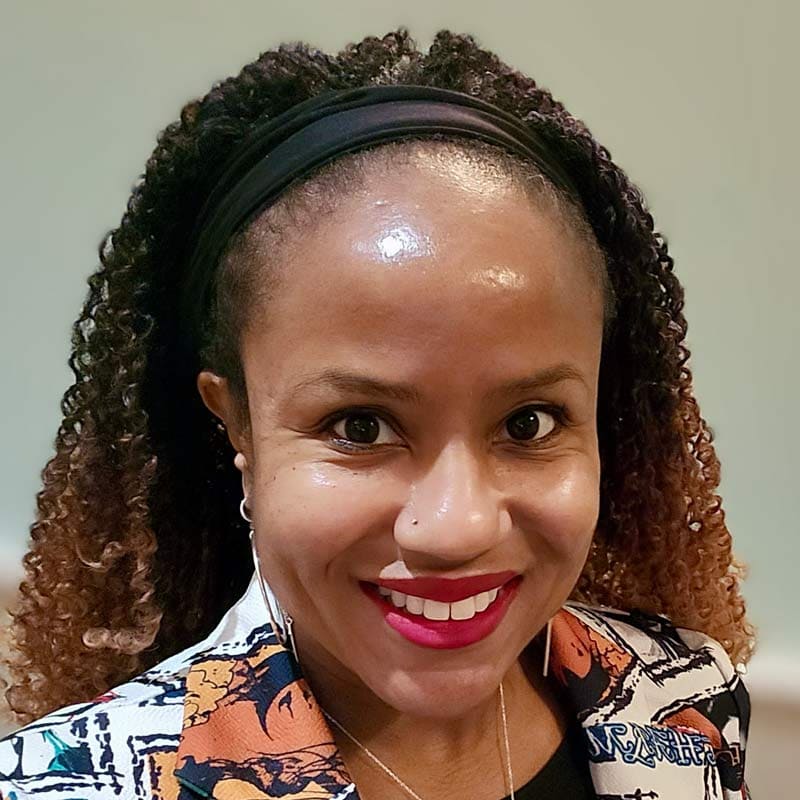
The Apprenticeship College of Health is building something new for healthcare: college that starts where learners already are, on the job, in their communities, and ready to grow. At the center of that effort is Executive Dean Metoka Welch, a licensed mental health counselor turned academic leader whose career has been shaped by a single conviction: that the best education happens when classroom and practice are one and the same.
We sat down with Executive Dean Welch to learn more about her vision for ACH, what drives her commitment to working adults, and what success really looks like when a college puts its learners first.
My entire career in academics has been with adult learners. My first position was as a faculty member for adults who wanted to become mental health counselors, and from day one, our class discussions were rousing and lively. Because my students brought life experience, work experience, and a genuine desire to advance professionally, the material I prepared came alive in ways I hadn’t anticipated. I was hooked from that moment on.
My own training as a licensed mental health counselor was a combination of classroom learning and hands-on clinical experience, and that combination stuck with me. There is so much value in applying what you’re learning academically directly in the clinical setting, and that’s exactly what ACH’s Apprenticeship Degree makes possible.
I think of innovation as a necessity, not an option, especially in higher education. At ACH, we are doing something that has never been done before: combining the workplace and the educational space into a single, unified learning environment. To make that work, we have to embrace possibility over familiarity.
It’s important to be clear that ACH will not sacrifice academic rigor or human-to-human connection in pursuit of that innovation. Doing so would actually contradict our mission, which is to change healthcare one degree at a time. We want to use technology as a resource, not as a replacement. Our learners will be trained to serve their patients, clients, and communities using the most up-to-date modalities available.
In this context, academic excellence looks like a new job or a higher-paying one. It looks like meeting the academic and clinical requirements for a license or certification that ties directly to a learner’s professional goals. And it looks like inspiring someone else in their community to say, “I want to do that too.”
The outcome that truly matters is providing an education that is free of debt, using the work environment as the primary educational space. When we get that right, everything else follows.
Because the ultimate goal is to produce workers with college degrees and no debt who will transform their communities, it’s essential that colleges, employers, and communities work together toward that shared purpose. True partnership looks like equitably investing time and resources into each learner. It requires collaboration, ongoing communication, and a commitment to keep the learner at the center of every decision.
The story I hope they tell is that their associate degree through ACH was just the beginning. They aren’t bogged down by student loan debt. They’re doing the heart work that gives life meaning and enriches the communities around them. The story I hope they tell is that ACH made their dreams come true.
ACH is still early in its story, but the vision behind it is clear and proven, and the people building it are ready. If you’re a working adult looking for a path into healthcare that doesn’t cost you everything to get there, this is where that path starts.
 Reach University and Training Fund Launch Apprenticeship College of Health to...
Scroll to top
Reach University and Training Fund Launch Apprenticeship College of Health to...
Scroll to top